Just What the Doctor Ordered?
Wellness Is Personal
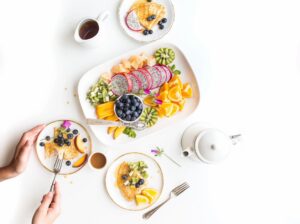
There is no single wellness plan that works for every woman. Your needs at 30 may not be your needs at 50. Pregnancy, postpartum changes, perimenopause, menopause, aging, medical conditions, lifestyle, and personal goals can all influence what wellness looks like for you.
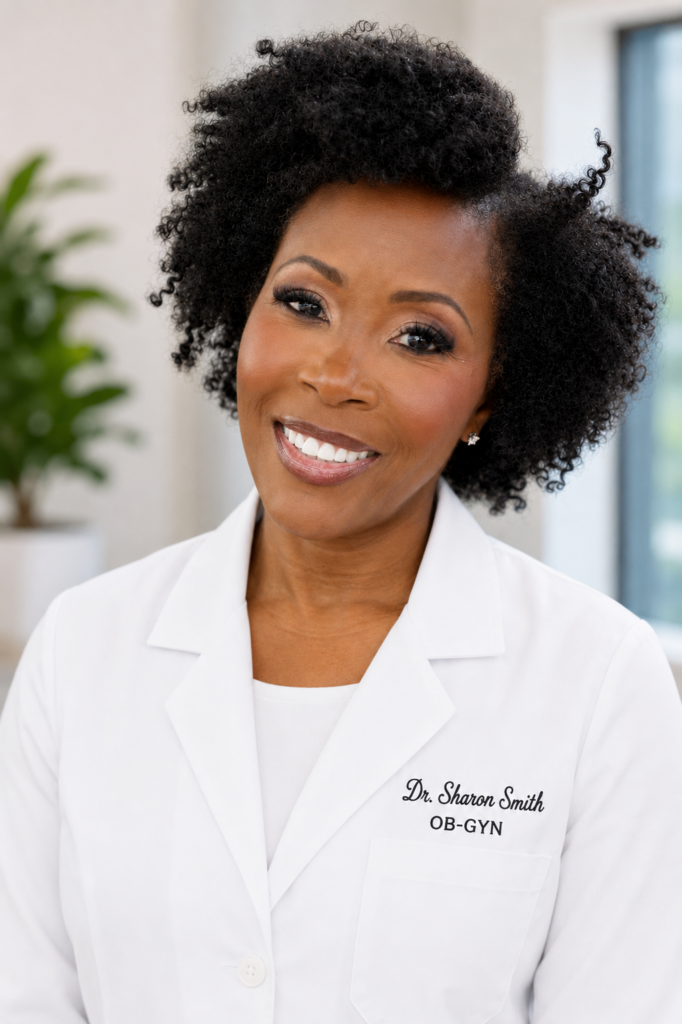
That is why I believe in an individualized approach.
Together, we can look at the bigger picture—not only “What is wrong?” but also “What can we do to help you feel your best?”
Your Health Deserves Your Attention
Be proactive. Ask questions. Know your body. Make yourself a priority.
Wellness is not about achieving perfection. It is about making intentional choices today that can support a healthier, more confident, and fulfilling tomorrow.
— Dr. Sharon Smith
OB/GYN • Women’s Health • Wellness • Aesthetics
Dr. Sharon Smith Aesthetics & Wellness
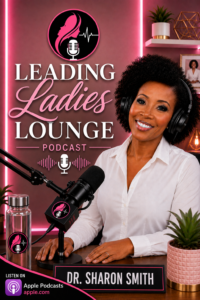
CHECK OUT OUR PODCAST
Latest From The Blog
Updates are Underway! Stay Tuned!